AlwaysSummerHerbs AlwaysSummerHerbs is a local, woman-owned family business whose mission it is to provide our clients with the highest quality herb and vegetable plants, herbal products and teas, and personal, one-on-one, customer service to ensure that your gardening and overall life experiences, large or small, are a huge success.Our goal is to make it easier for you to stop and smell the roses and enjoy the road less traveled. AlwaysSummerHerbs accomplishes this by designing our website so that you are able to access and order our plants and products quickly and easily. There are no long downloads or complicated links to follow. We want you to spend less time on the internet and more time cultivating your garden and nurturing your soul!
Where You Can Find Us!We now sell our honey and teas at three local groceries in the Pittsburgh, Pa area. Whole Foods in East Liberty,Pittsburgh Public Market in the Strip and Giant Eagle in Slippery Rock. Please patronize these businesses and tell them we sent you!
|
Teapots make a Great Gift!
This collection includes a two cup tea pot which has a stainless steal tea strainer, and one packet of our loose tea (your choice). Let us know your tea preferences- green, white, oolong, or herbal infusions and we will make you happy. Tea pot colors include lemon yellow, black, marine blue, green, peach, and ocean blue. We can send this collection directly to your lucky friend, or a gift to yourself- you deserve it! Click on "Tea Collections"- Only $25.00 |
DILL - 2010/2011 Herb of the Year
Dill is an "Annual" which means that it grows from seed and dies every year. The great thing about dill is that it very easily re-seeds itself (like Sweet Annie) so cultivate it in a location at the back of the garden so it won’t be disturbed. The plant likes full sun and well drained soil. It grows best in cooler climates. We use the young leaves in potato salad, Grandma Peg’s cucumber salad, tuna salad, lettuce salad, tomato/cucumber salad…you get the idea. The seed heads we use in pickles and in our herb blends. Jeff has a great refrigerator pickle recipe, check out our Recipes Page!
The biggest question that we get about dill is: “Why does my dill plant die?” The answer is that it has a relatively short life cycle and will bolt (flower) and go to seed in 3-4 weeks. That’s normal and great if you want the seeds but not so good if you want to eat the leaves. So if you want a crop to last through-out the summer and fall, you need to have successive plantings. That means every 2 to 3 weeks plant new seeds in the soil or young seedlings. Live Herb Plants We have read conflicting information on the origins of Dill both that it is a native to southwest Asia and the Mediterranean. Probably, like many herbs, it 's popularity in the kitchen has caused it to migrate all over the world. It is a member of the Parsley family, and grows from 18 to 42 inches, depending upon variety. The most popular varieties are 24-36 inches. The dark green leaves are called "Dill Weed". Harvest leaves at any time. The young, tender leaves are best for flavor. Harvest flower heads after seeds have formed, and the flower head has died. Tie a group of stems together and hang upside down to dry. Make sure to have a container or bag under them to catch seed. Once they are dry, shake out the remaining seeds. Besides flavoring, Dill used as a tea has been reportedly popular for controlling flatulence. Make the tea by adding 1-2 teaspoons of dried seeds to boiling water. Let it steep for several minutes. Chewing a few Dill seeds will freshen your breath. For more information go to our Educational Links page.
|
|
Give the Gift of Honey!

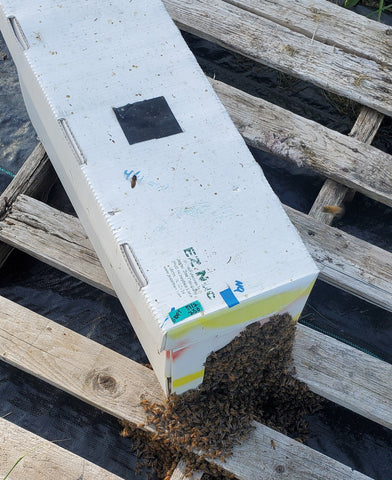
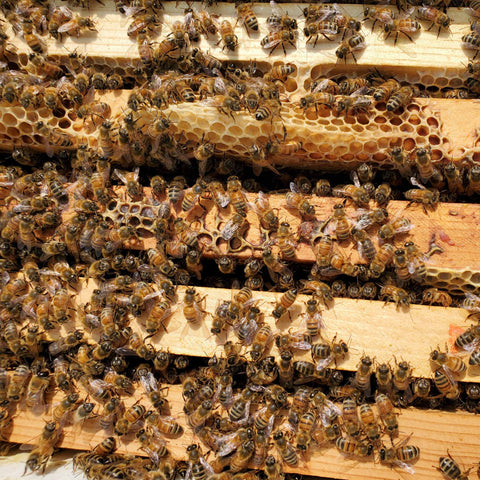
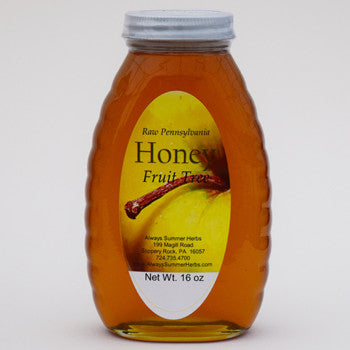
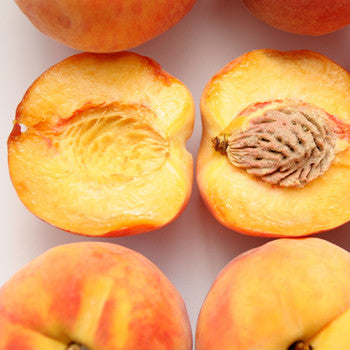
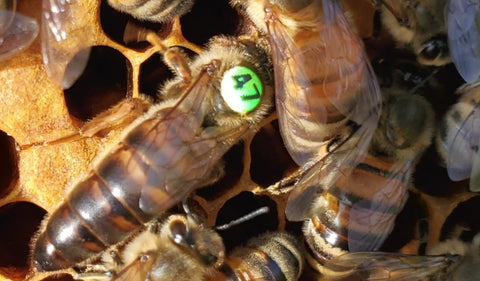
We keep as busy as our bees, but they are the ones making our special honey. There's nothing quite like our local honey, thanks to the beautiful wild flowers and fruit orchards in our little part of Western Pennsylvania! If you're a green tea drinker, there’s nothing better than a drop of our honey to make it special! AlwaysSummerHerbs offers you honey in 1 and 2 pounds jars.
|
Meet the 'Herb of the Year' Past, Present and Future!
The International Herb Association lets us know the Herb of the Year: 1995 - fennel (Foeniculum vulgare) 1996 - monarda (bee balm)(genus Monarda) 1997 - thyme (genus Thymus 1998 - mint (genus Mentha) 1999 - lavender (genus Lavandula) 2000 - rosemary (genus Rosemarinus) 2001 - sage (genus Salvia) 2002 - echinacea (genus Echinacea) 2003 - basil (genus Ocimum) 2004 - garlic (Allium sativum) 2005 - oregano/marjoram (genus Origanum) 2006 - scented geraniums (genus Pelargonium) 2007 - lemon balm (Melissa officinalis) 2008 - calendula (Calendula officinalis) 2009 - sweet bay/bay laurel (Laurus nobilis) 2010 - dill (Anethum graveolens) 2011 - horseradish (Armoracia rusticana) 
|
|
|